A Basketball Screen Has Two Readers
Learn to read a basketball screen by tracking the handler’s choice and the defender’s response, so each drive, pass or reset makes more sense.
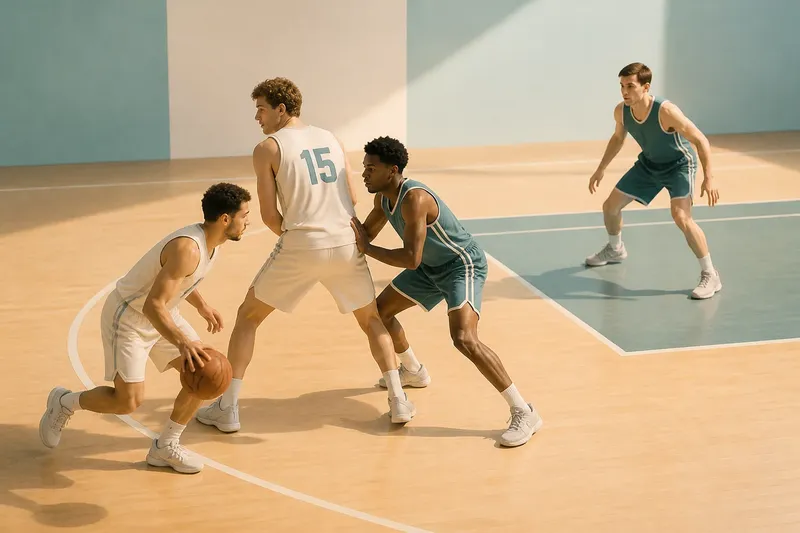
A basketball screen becomes easier to read when you track the ball handler’s choice and the defender’s response together. The pick-and-roll is a brief exchange, not a single move: watch both players and you can see why a possession turns into a drive, a pass, a reset or nothing at all.
Start with the handler, then shift your attention to the defender’s route. These cues offer a simple way to follow the action without needing to know every team’s terminology.
1. Where is the screen?
A screen, often called a pick, is a teammate’s attempt to occupy a defender’s path so the ball handler can move into space. The screener plants in a position that forces the on-ball defender to choose a route around them. The screen is not automatically a collision or a successful block: its value depends on where it is set, whether the handler uses it and how the defence responds.
Look just ahead of the dribbler for the teammate who approaches and sets their body. Then notice the handler’s direction. A screen set to the handler’s left offers a different route from one that allows a move to the right; the handler may also refuse the screen and go the other way.
The screener’s position is a reference point, not a promise. If the defender leans to deny one route, the handler may take the open side instead. That first change of direction is often the most revealing moment in the exchange.
2. What does the handler choose?
When the screen arrives, watch the handler’s feet and dribble rather than following only the ball. The handler may use the screen closely, turn away from it, slow down or take a wider path. Each choice asks a different question of the defence.
Using the screen tightly can make it harder for the defender to stay attached. Going wide may create room to see the floor, though it can also give the defence time to recover. Refusing the screen can catch a defender who has shifted towards the expected route. The handler might also pause to let the screener’s position matter before accelerating.
Then look for the next decision. Does the handler continue towards the basket, stop for a jump shot or pass to the screener? A defender’s response can close one option while exposing another. A pass is not necessarily the original plan; it may answer a defender who commits to stopping the drive.
Imagine a guard dribbling towards a screen near the top of the key. The defender tries to squeeze between the screener and the handler, so the guard turns tightly around the pick and drives into the open lane. The observable result is a driving route created by the handler’s turn and the defender’s chosen path together, rather than by the screen alone.
3. How does the defender go around?
Watch the on-ball defender’s shoulders and path. The defender can fight over the top of the screen, slip beneath it or try to stay alongside the handler. These routes reflect different priorities: staying close to a potential shooter, protecting the path to the basket or avoiding being left behind.
Another defender may join the exchange. If the screener’s defender steps out to contain the handler, that defender has moved away from the screener for a moment. If they stay nearer the basket, the handler may have more room to advance, while the original defender still has a chance to recover.
Notice how long the defenders remain committed to their choices. A brief step towards the ball can be enough to prompt a pass. A longer move may leave the screener free to roll towards the basket. The screen creates a decision for the defence; the defenders’ timing determines which options remain available.
The same screen can produce different outcomes against different coverage. The handler may see a lane against one response and a passing window against another. Connect the defender’s movement to the handler’s next action instead of judging it in isolation.
4. What happens to the screener next?
Once the handler moves past the screen, shift your gaze to the screener. They may turn and roll towards the basket, step away into open space or remain where they are as an outlet. This movement gives the handler another possible target and may draw a second defender away from the ball.
A roll often invites a pass into the lane, but the handler must still judge whether the passing route is clear. If the defence collapses towards the screener, a teammate farther out may become available instead. If the defenders remain close to the ball, the handler may keep driving.
The screener’s movement matters even if they never touch the ball again. A defender following the roll can leave space elsewhere, while a defender who stays with the handler can give the screener room. The exchange continues after the initial screen: the handler reads the help, and the defence reads the handler’s new options.
5. Has the defence switched?
Sometimes defenders exchange responsibility: the handler’s defender takes the screener, and the screener’s defender takes the ball handler. This is commonly called a switch. It can prevent the handler from gaining an immediate advantage, but it may leave a smaller defender matched against a taller player, or a slower defender trying to stay with a quicker one.
Watch for the moment the defenders signal the change and move towards their new opponents. Then see whether the handler attacks the new matchup, passes out or waits for the offence to create another opening. The screener may also turn to establish position against the defender who has switched onto them.
A switch is not the same as the defence being beaten. It is a way to close the first route and accept a different matchup. The handler’s next choice shows whether that trade has created an opportunity for the offence.
6. What space did the defence give up?
Every response to a screen protects something and risks something else. A defender who stays with the handler may leave the screener’s roll less closely covered. A defender who helps on the ball may allow a pass to a teammate beyond the play. If both defenders stay back, the handler may find room to advance or shoot.
Follow the ball only after noticing the space that opened away from it. A teammate can be open because a defender moved to help, even before the pass is made. The handler’s choice is shaped by that opening, but the defence’s movement created it.
Think of the screen like a doorstop: it changes which route is easy to take, but it does not decide who walks through or what happens in the next room. The handler can take another path, while the defence can adjust around the obstruction. The useful question is not only whether the screen made contact, but which option each player’s response opened or closed.
Which basketball screen terms should you know?
What does it mean to use a screen?
The handler moves close enough to the screener’s position to make the defender negotiate that obstacle. The handler can still change direction or reject the screen if another route looks more promising.
What does it mean when a defender goes under?
The on-ball defender moves beneath the screen rather than over its top, often aiming to stay between the handler and the basket. Depending on the position and the rest of the defence, this route can leave the handler with room to shoot.
Why does a second defender step towards the handler?
That defender is helping contain the ball, at least briefly, so the handler cannot move freely into the lane. The movement can also leave the screener or another attacker with more space if the defence does not recover.
Why might the handler pass instead of shooting?
The defender’s response may close the driving lane or bring a second defender into reach. A pass can send the ball to the screener or a teammate whose space opened during that help.
7. What advantage comes after the screen?
A screen does not have to end with a shot to matter. The handler might draw a defender, pass to the screener and start a second action. Or the defence might contain the first move, forcing the offence to reset and try again. Watch what the players do after the initial route rather than treating the first dribble as the whole play.
To read a basketball screen, keep two threads in mind: the handler’s choice and the defender’s response. Then add the screener’s movement and the space left elsewhere. This viewing habit makes the pick-and-roll easier to follow, even when the ball changes hands before anyone takes a shot.